game
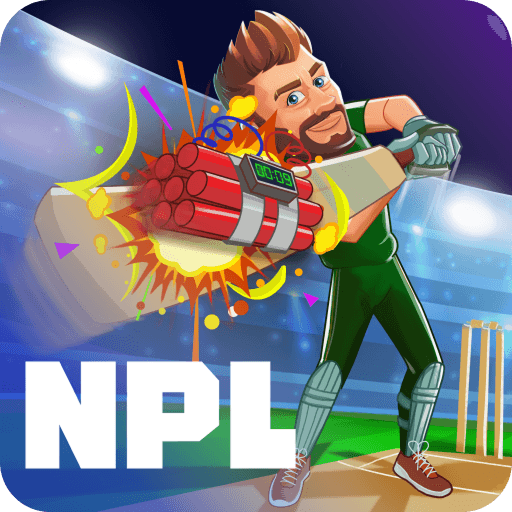
NPL.io (NFT Premier League)
NPL.io: a cricket-themed Web3 game where players collect, upgrade, and trade NFT player cards, built to turn fan engagement into daily habit.
Project Description
I joined Bowled.io as one of the company's earliest hires, helping build a slate of cricket-focused games from the ground up. My work spanned the full arc from concept to shipped product: I created the core visual identity and graphics for our games, translating early ideas into art direction the rest of the team could build around, and I played a lead role in structuring the game design — defining core mechanics, progression, and systems that held the games together. When the team needed extra hands, I stepped into development as well, building animations in Unity across multiple titles.
The flagship title from this period was NPL.io (NFT Premier League), a cricket-themed Web3 game where players collected, upgraded, and traded NFT-based player cards. I helped shape the fan-engagement systems at the heart of the game — the mechanics that made collecting and upgrading cards feel meaningful — which contributed to NPL.io reaching 10K+ organic signups in its first 30 days and a 25% lift in daily retention.
Being a founding-team member on Bowled.io meant wearing several hats at once: designer, artist, and occasional developer. That range is where I built the core instincts I still bring to every project — thinking about a game as one connected system, not separate art, design, and engineering tracks.
Skills Learned Game systems design — structuring core mechanics, progression loops, and player upgrade paths from a blank slate, not just iterating on an existing system. Web3 / NFT game economy design — designing collectible and upgrade mechanics where in-game assets carry real ownership and trade value, and balancing that against fun and fairness. Concept-to-production art pipeline — turning early, ambiguous ideas into concrete visual direction that a small team could execute against quickly. Fan-engagement and retention design — building mechanics specifically aimed at daily habit formation and long-term engagement, not just first-session appeal. Cross-disciplinary collaboration — working fluidly across design, art, and light development, which sharpened how I communicate ideas to engineers and artists alike. Unity animation fundamentals — hands-on experience building in-engine animations to support shipped features when the team needed it. Startup/founding-team ownership — operating with the ambiguity and speed of an early-stage team, where priorities shift fast and everyone works outside a narrow job description.